
Fighting the System: The Article 78 Proceeding
A definitive guide to challenging New York government agency decisions, denials, and abuses of power.
When a New York State agency, local board, or public officer makes a decision that negatively affects you—whether it’s denying a license, terminating public housing, wrongly calculating a prison sentence, or firing a civil servant—you generally cannot sue them in a “normal” civil lawsuit. Instead, you must use a unique and powerful legal tool: the CPLR Article 78 Special Proceeding.
This is not a trial with a jury. It is a fast-tracked review by a Supreme Court Judge to determine if the government followed the law. The stakes are high, the timelines are short, and the procedural traps are unforgiving.
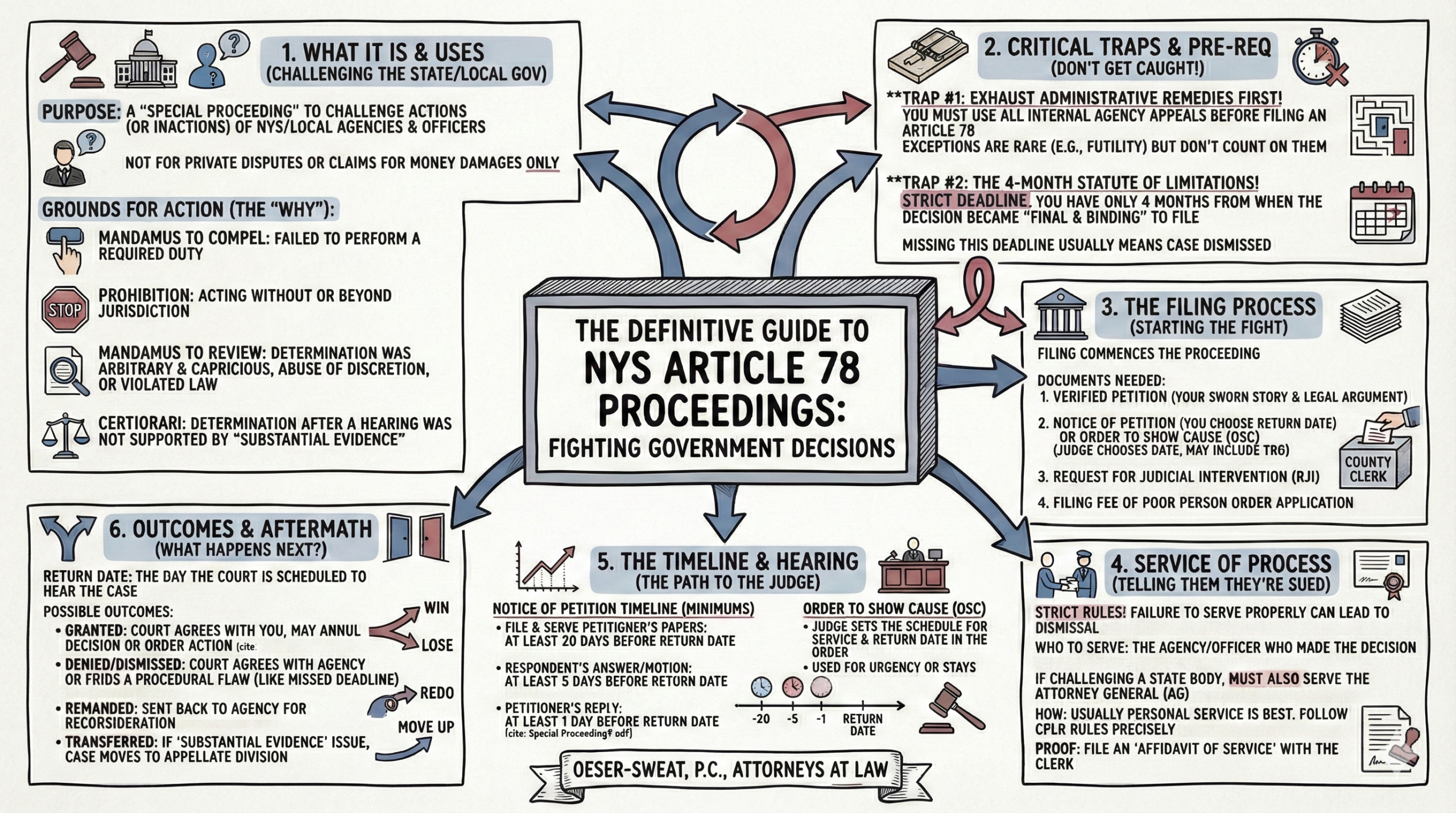 Figure 1: The Lifecycle of an Article 78 Proceeding
View Text Description of Graphic
1. The Agency Action: The process begins when an officer or agency makes a final determination or fails to act when required.
2. Exhaustion of Remedies (CRITICAL): Before going to court, you must appeal internally within the agency (e.g., appeal to the Superintendent, then the Commissioner). Failing this gets your case dismissed.
3. Statute of Limitations: You generally have exactly 4 months from the date the decision became final and binding to file your papers.
4. Filing: You file a Notice of Petition (or Order to Show Cause) and Verified Petition with the Court Clerk and pay the fee.
5. Service: You must serve the Agency AND the Attorney General. Strict proof of service is required.
6. The Hearing: The Judge reviews the papers. There is rarely live testimony. The Judge issues a Judgment annulling the decision or dismissing the case.
1. Grounds for Action: What Can You Challenge?
You cannot use Article 78 simply because you disagree with a decision. You must fit your grievance into one of four specific legal categories established by CPLR § 7803:
- Mandamus to Compel: Used when an agency failed to perform a duty required by law. (e.g., “The law says you must issue a decision within 30 days, and you have ignored me.”)
- Mandamus to Review: The most common challenge. You argue the decision was “arbitrary and capricious” or an “abuse of discretion.” This means the decision lacked a rational basis or was made without regard to the facts.
- Certiorari: Used to challenge a decision made after a formal trial-like hearing (with evidence and sworn testimony). The standard here is whether the decision was supported by “substantial evidence.”
- Prohibition: Rare. Used to stop an official who is about to act without any legal jurisdiction or authority.
2. The Two Deadly Traps: Exhaustion & Time
Trap A: Exhaustion of Administrative Remedies
You cannot run to court immediately after a low-level official says “no.” You must follow every step of the agency’s internal appeal process first.
Example: If a prison Superintendent finds you guilty of a disciplinary infraction, you cannot file an Article 78 yet. You must first appeal to the Commissioner in Albany. Only after the Commissioner denies your appeal (or fails to rule in time) can you go to court. If you skip a step, the judge must dismiss your case.
Trap B: The 4-Month Statute of Limitations
The clock ticks fast. You generally have only 4 months from the date the agency’s decision becomes “final and binding” to file your papers in court. This is much shorter than the 3 years for negligence or 6 years for contracts. If you file 4 months and 1 day later, your case is dead.
3. How to Commence the Proceeding
An Article 78 is a “Special Proceeding,” meaning it moves faster than a normal lawsuit. Here is the procedural roadmap:
A. The Papers
You must prepare three main documents:
- Verified Petition: Your sworn statement telling the story. It must include the facts, the legal error the agency made, and what you want the court to do (e.g., “Annul the decision”). It must be “verified” (sworn to before a notary).
- Notice of Petition OR Order to Show Cause (OSC):
- Notice of Petition: Used when you have plenty of time. You pick a court date at least 20 days away.
- Order to Show Cause: Used if you are in a rush (e.g., you are about to be evicted or transferred) or if you are a prisoner who needs permission to serve papers by mail. The Judge signs this and picks the court date.
- Request for Judicial Intervention (RJI): A form that gets a Judge assigned to your case.
B. Filing and Fees
You file these papers with the County Clerk. The filing fee is generally $305 ($210 for the Index Number + $95 for the RJI). If you cannot afford this, you must file a “Poor Person’s Order” application with proof of your income to waive the fees.
C. Service of Process
Once you file and get an Index Number, you must “serve” (deliver) the papers to the other side. Strict Compliance is Required.
- You must serve the Agency (Respondent).
- You must ALSO serve the New York State Attorney General (if a State agency) or the Corporation Counsel (if a NYC agency).
- You usually cannot mail the papers yourself unless the Judge gave you permission in an Order to Show Cause. Usually, a non-party over 18 must deliver them.
4. The Judgment
On the “Return Date,” the Judge takes the papers (oral argument is rare). The Judge will eventually issue a written Decision and Judgment. If you win, the Court may annul the agency’s decision or send it back for a new hearing. If you lose, you may have the right to appeal to the Appellate Division, but you must file a “Notice of Appeal” within 30 days.